



HKUST-Led Study Warns of Climate “Whiplash” Threatening Global Stability by 2064
Groundbreaking Research Reveals Cascading Risks to Food, Water, and Energy Systems

A groundbreaking climate study led by The Hong Kong University of Science and Technology (HKUST), in collaboration with an international research team, reveals that a under high-emission scenario, Northern Hemisphere summer monsoons region will undergo extreme weather events starting in 2064. Asia and broader tropical regions will face frequent "subseasonal whiplash" events, characterized by extreme downpours and dry spells alternating every 30 to 90 day which triggers climate disruptions with catastrophic impacts on food production, water management, and clean energy systems.
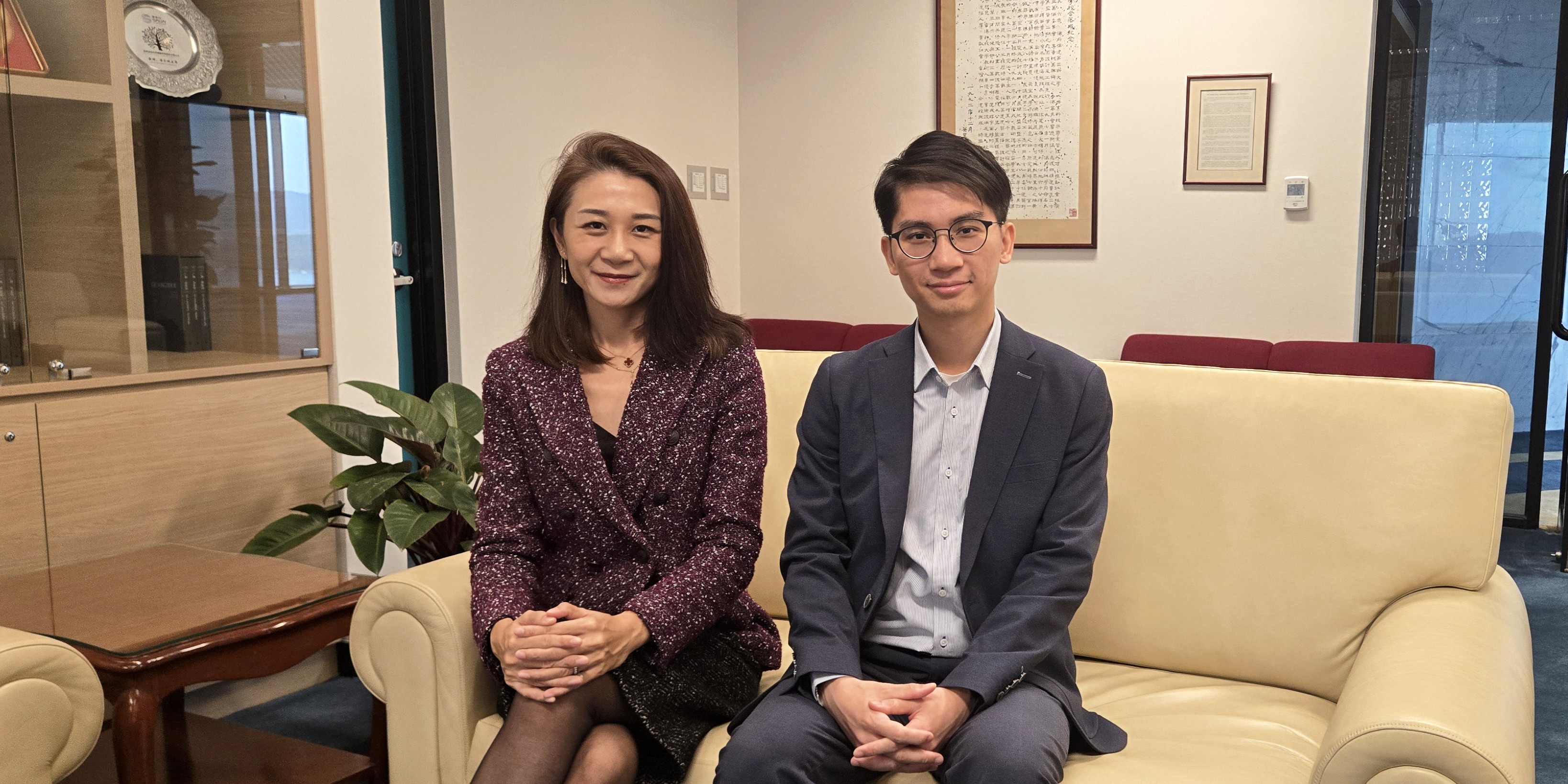
Published in Science Advances under the title “Increased Global Subseasonal Whiplash by Future BSISO Behavior,” the research was co-led by Prof. LU Mengqian, Director of the Otto Poon Center for Climate Resilience and Sustainability and Associate Professor of the Department of Civil and Environmental at HKUST and Dr. CHENG Tat-Fan, a postdoctoral fellow in the Department of Civil and Environmental Engineering at HKUST, alongside collaborators from the University of Hawaiʻi at Mānoa, Sun Yat-Sen University and Nanjing University of Information Science and Technology.
Decoding Climate Variability Patterns
Using up to 28 coupled general circulation models from CMIP6, the study utilized state-of-the-art global climate models to project the future behavior of the Boreal Summer Intraseasonal Oscillation (BSISO), the dominant mode of summertime tropical intraseasonal variability, which primarily occurs over 30 to 90 days. This system generates alternating belts of enhanced and suppressed precipitation that influence the Asian summer monsoon region. By processing vast datasets through unsupervised K-means clustering, the research successfully delineated three BSISO propagation patterns: the canonical northeastward propagating mode, the northward dipole (ND) mode, and the eastward expansion (EE) mode.
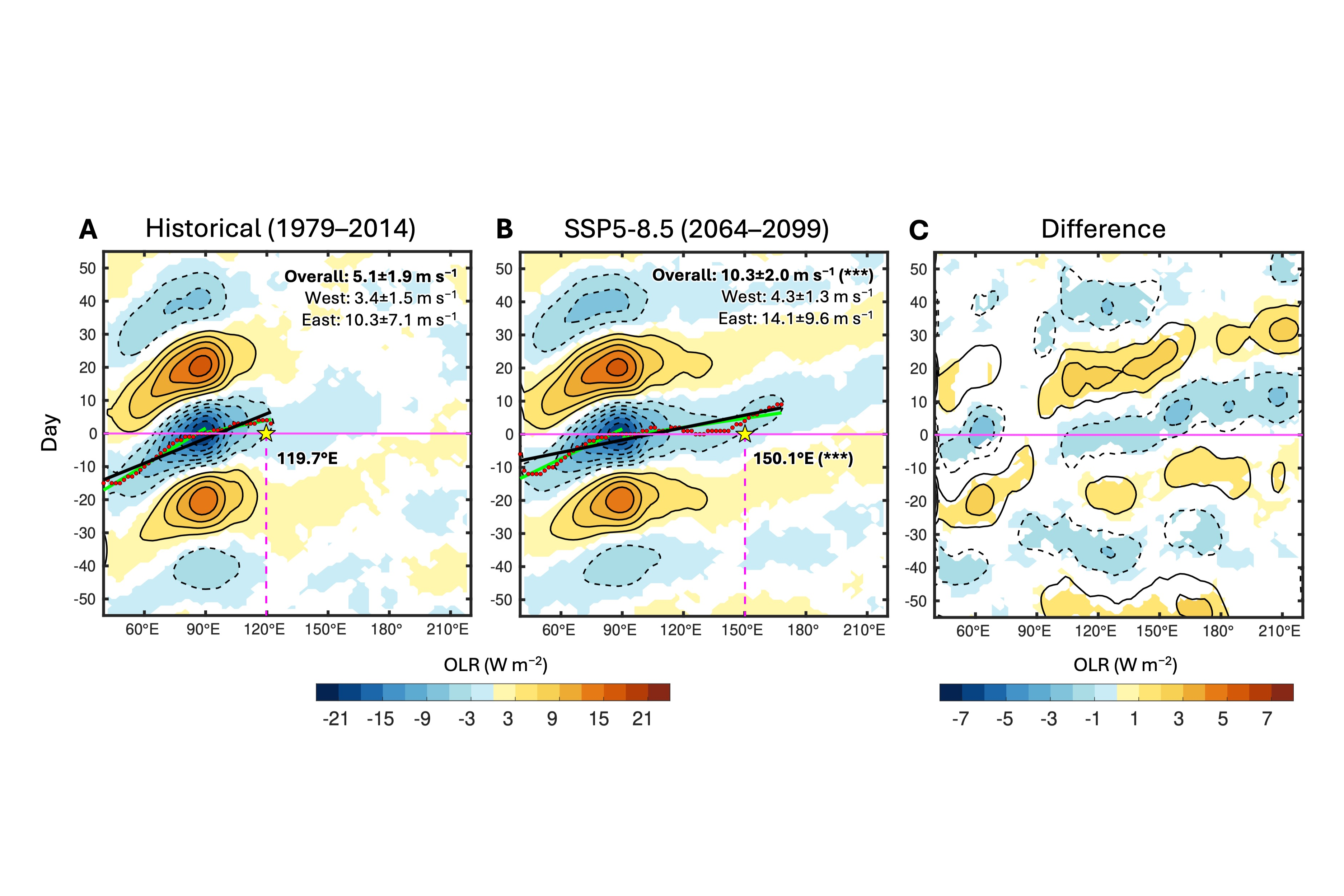
The study reveals that both the canonical northeastward and the ND mode will intensify, bringing more extreme rainfall and drought spells to South Asia and East Asia. Significantly, the research highlights the dramatic acceleration and expansion of BSISO EE mode as its most critical finding. Dr. Cheng Tat-Fan, the first author of the research stated “Under a high-emission scenario (SSP5-8.5), the propagation speed of this EE mode, eastward-moving rain-bearing wave is projected to double by the end of this century. Interestingly, the system is expected to expand eastward by approximately 30 degrees of longitude. Where it once typically dissipated over the Maritime Continent, such as Indonesia, it will now push deep into the West Pacific.”
Beyond Asia, the research identifies surging risks:
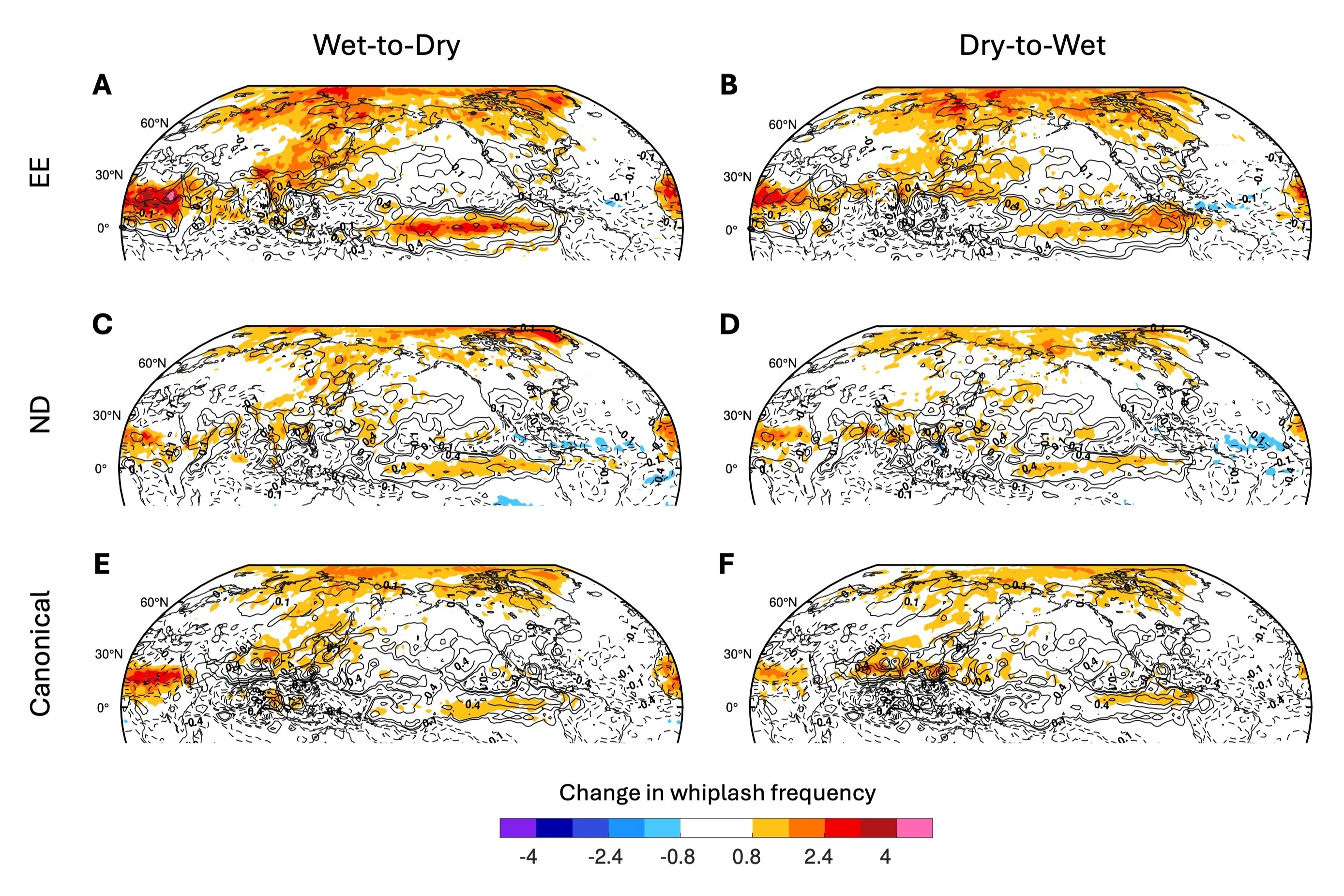
Arctic Precipitation Swings: Atmospheric teleconnections will amplify rainfall variability in Greenland and northern Russia.
Saharan Dust Dynamics: Increased whiplash events in central and northern Africa could alter Saharan dust emissions, potentially disrupting tropical cyclone formation over the Atlantic Ocean.
Call to Action: Building Climate Intelligence
Prof. Lu Mengqian, a co-author of the study, further explained the threats posed by the subseasonal whiplash to food production, water resource management, and other areas, “The type of sudden shift from drought to flood is particularly damaging––there is evidence suggesting the risk of global rice yield loss is 43% higher from such an event than from a wet-to-dry swing. We thus foresee that, due to the changing BSISO, the projected increase in these dry-to-wet events across arable regions in Asia and Africa will directly threaten future global food production.”
“There is an urgent need to invest in and improve subseasonal-to-seasonal (S2S) forecasting models to stay ahead of these evolving challenges,” Prof. Lu added. “Critical areas of focus include strengthening urban infrastructure against climate impacts, ensuring sustainability within the water-energy-food-economy nexus, and enhancing our ability to predict outbreaks of diseases sensitive to climate variations. This will empower both governments and the private sector to make well-informed choices in long-term planning and policy development."
The present study contributed to the “Seamless Prediction and Services for Sustainable Natural and Built Environments” (SEPRESS) program, which is an HKUST-led, global transdisciplinary “research-to-operation” (R2O) initiative recently endorsed by the United Nations Educational, Scientific and Cultural Organization (UNESCO) as part of its International Decade of Sciences for Sustainable Development.
Sign Up for Our Latest News
Latest News
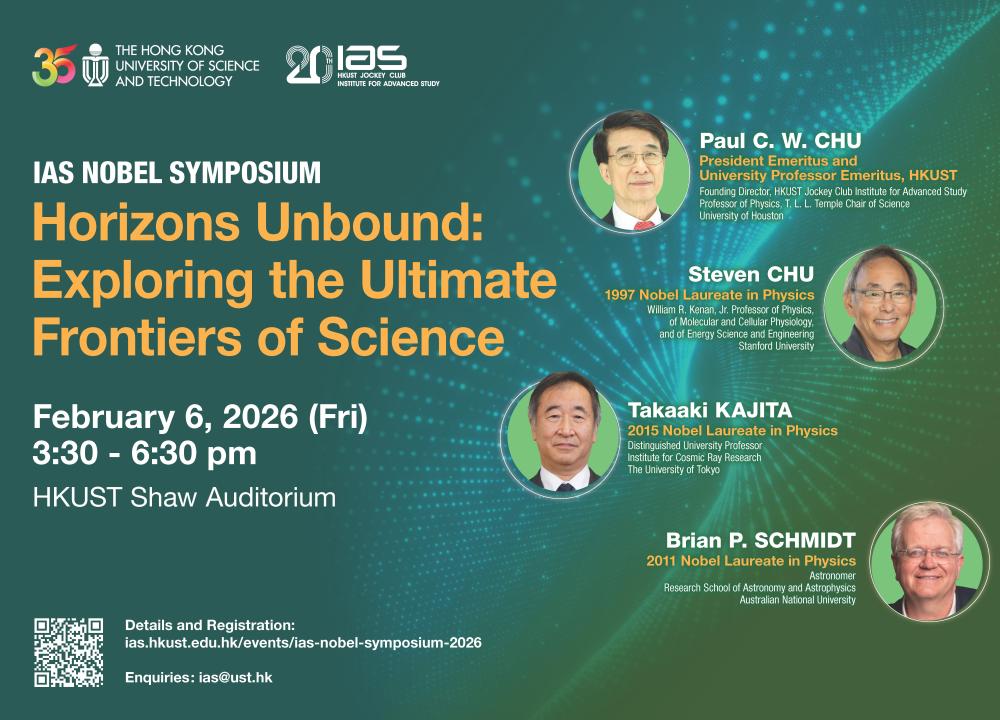
The Hong Kong University of Science and Technology (HKUST) Jockey Club Institute for Advanced Study will host a Nobel Symposium on February 6, 2026 (Friday), featuring three Nobel Laureates in Physics, along with Prof. Paul C. W. CHU, HKUST President Emeritus and University Professor Emeritus, who is a physicist pioneering in high-temperature superconductivity.
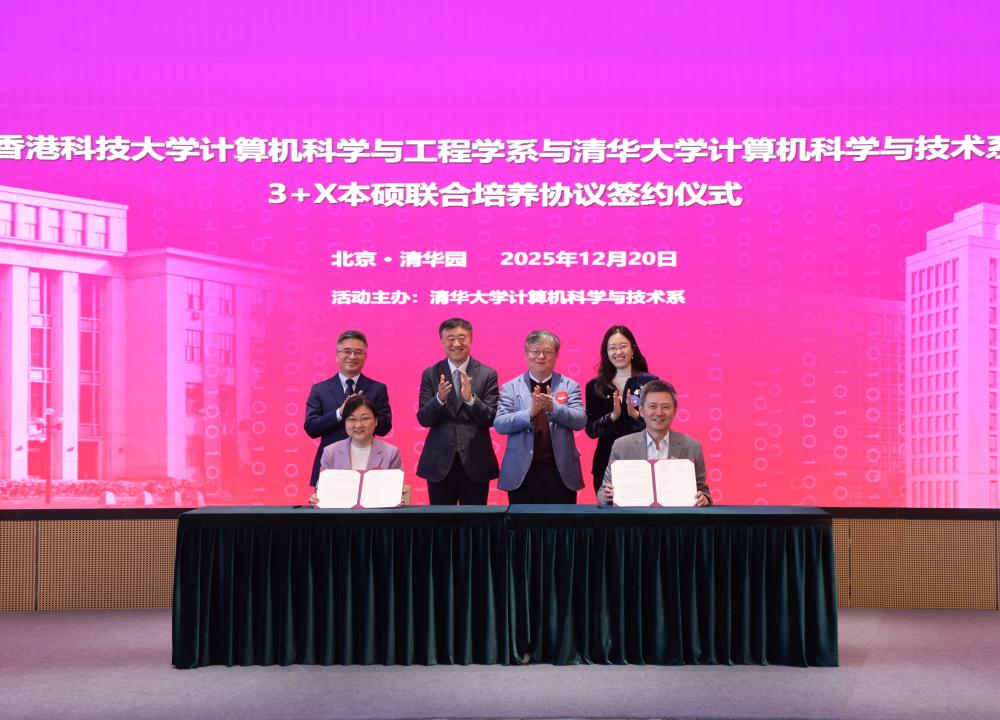
The Department of Computer Science and Engineering (CSE) at The Hong Kong University of Science and Technology (HKUST) and the Department of Computer Science and Technology at Tsinghua University (Tsinghua) announced the launch of a pioneering "3+1+X" Joint Undergraduate – Postgraduate Training Program, set to begin in the 2026/27 academic year.
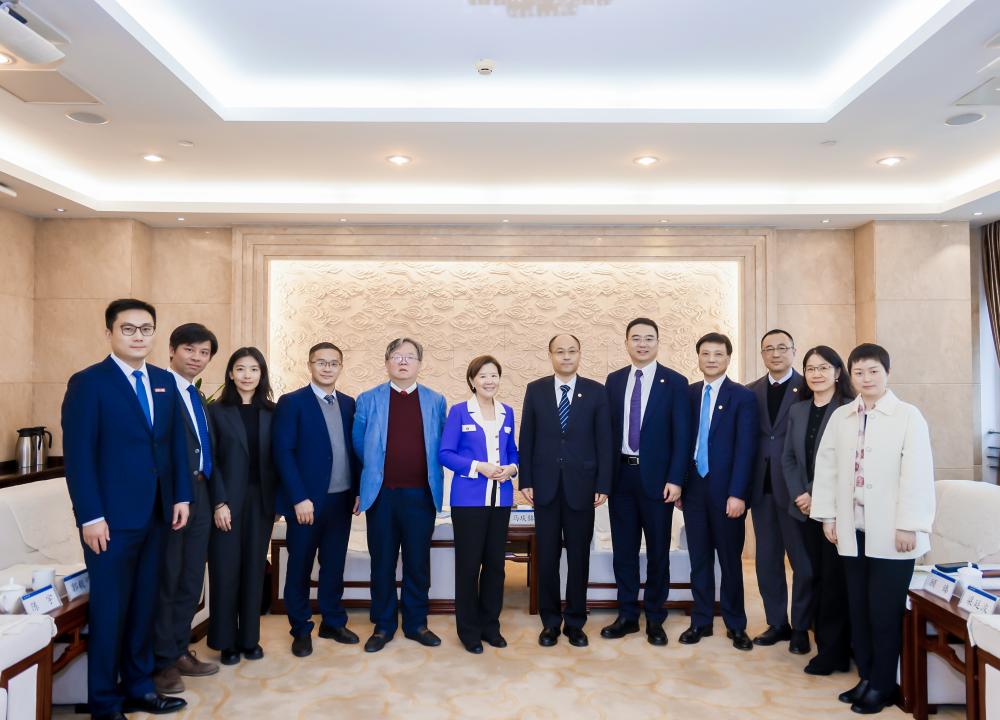
The Hong Kong University of Science and Technology (HKUST) announced the signing of strategic Memoranda of Understanding (MoUs) with three leading affiliated hospitals of Zhejiang University School of Medicine: The First Affiliated Hospital, The Second Affiliated Hospital, and Sir Run Run Shaw Hospital.